
The History of the Cultured Pearl
Pearls have been valued as precious stones for more than 4000 years. The oldest collections of Japanese poetry contain poems praising the beauty of the pearl, and the pearls adorning the ancient images of Buddha in Shosoin and Sangatsudo are very well-preserved indeed, shimmering with the same radiance as when they were set in place.
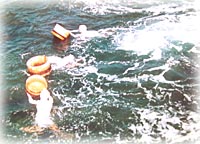
Japan enjoys a natural advantage when it comes to raising pearls: Akoya oysters, which "parent" Akoya pearls, are found in abundance in the seas surrounding our country.
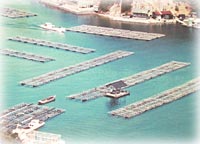
The life of a pearl begins 3 to 4 years after the oyster is born. The nucleus, which will become the core of the pearl, is inserted, and the oyster is lowered back into the sea. However, oysters are living creatures, and things do not always go according to plan. Sometimes oysters die; sometimes they reject the nucleus, and expel it. If all goes smoothly, the pearl can be removed 1 to 3 years later. The pearls then must undergo rigorous professional inspection. Those which are deemed of sufficient quality may then be made into accessories and presented to our customers.
We Offer Genuine AAA
About Hanadama
About Natural White Akoya
Standards for Evaluating Pearl Quality
Things You never Learn out of a Certificate
How to Maintain Pearl Accessories
The Story of The Pearl
The History of the Cultured Pearl
About the Different Types of Pearls
Kobe, The City of Pearls
We Hope to be An Honest Pearl Supplier
Facebook Page
Wholesale
Feel free to ask me about cultured pearls at any time.

Feel free to ask me
Japan Pearl Promotion Society Certified Specialist
Director: Nobuyuki Yokota
E-Mail Inquiries
Feel free to ask me
Japan Pearl Promotion Society Certified Specialist
Director: Nobuyuki Yokota
E-Mail Inquiries
 E-Mail